PLAN TRIPS BEFORE YOU BOOK.
Beginner travel planning lessons for turning vague destination ideas into routes, budgets, daily itineraries, packing lists, and confirmation checks that feel realistic before departure.

FOUR CHECKS. ONE WORKABLE TRIP.
Practice the decisions that make travel plans easier to review.
Route Shape
Compare arrival windows, transfers, local transport, and walking distance before a route looks easy only on paper.
Budget Gaps
Add luggage fees, meals, phone data, tourist taxes, paid reservations, and an emergency buffer to the first estimate.
Daily Pace
Build itinerary days with activity slots, meal breaks, movement time, rest gaps, and weather-change backup choices.
Travel Folder
Group booking confirmations, passport copies, insurance notes, addresses, offline maps, and cancellation policy details.

Your first itinerary should leave room to breathe.
VoyageWeave practice shows how to rewrite an overloaded travel day by checking transport time, opening hours, meal breaks, check-in rules, and the energy needed after arrival.
Ask For More InfoNOTES FOR BETTER TRIP PLANS.

The cheapest option often appears to be the logical choice until the remainder of the journey is factored in. A…
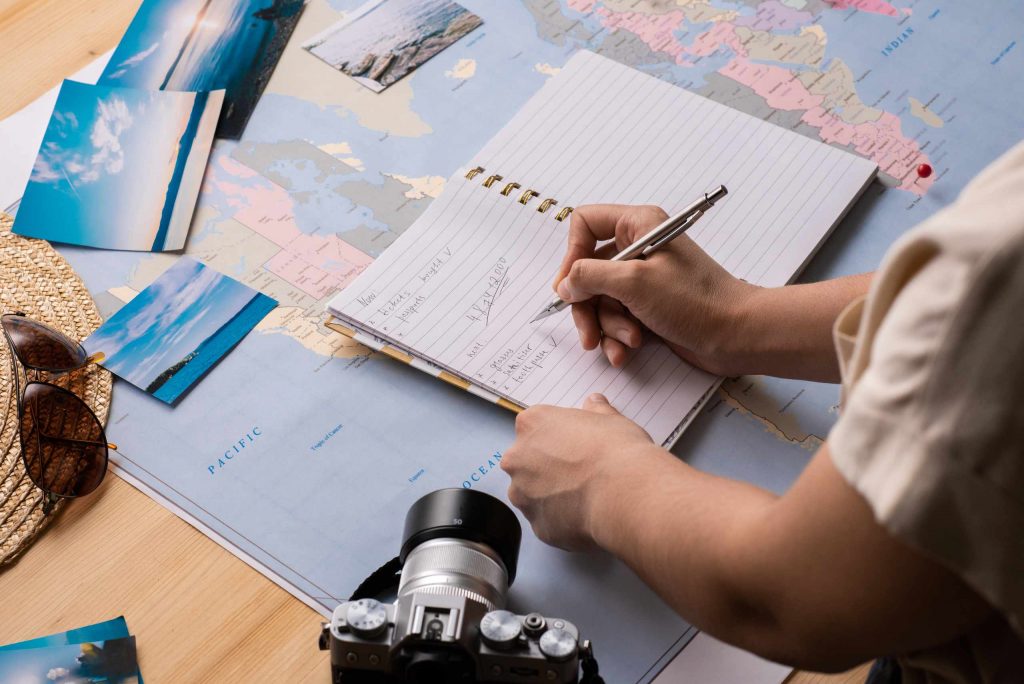
A travel budget works better when you think of it less as an end number and more as a guide…

The first day is more than an open activity slot. It is where luggage, transport, check-in, meal, tiredness, and strange…
TRAVEL PLANNING QUESTIONS.
The course focuses on personal trip organization: route choices, daily pacing, travel budget checks, packing lists, confirmations, and backup options.
No. You can practice with a loose idea, a short city break, or a multi-stop route. The first task is narrowing dates, priorities, transport limits, and budget range.
No. The lessons are for organizing personal travel more carefully, not for certification, agency work, visa decisions, or professional booking services.
A calendar, map app, notes app, budget sheet, weather app, packing list, and one folder for booking confirmations are enough to begin.
Yes. Ask about your travel idea, the planning format, useful tools, or whether the course fits a first independent trip, family trip, or short break.
CHECK THE PLAN BEFORE THE TICKET.
Use small planning prompts to review arrival timing, route effort, accommodation location, daily spending, baggage allowance, document needs, and backup choices before travel details scatter.